Introduction
A child’s early years are a time of rapid growth and extraordinary development. From learning to sit and walk to speaking their first words, every milestone is supported by proper nutrition. Understanding child nutrition and growth milestones helps parents ensure their children are developing in a healthy and balanced way.
Nutrition does more than support physical growth. It fuels brain development, strengthens the immune system, and builds the foundation for lifelong health. At the same time, tracking developmental milestones allows parents to monitor whether their child is progressing as expected.
With the right knowledge and support, parents can confidently guide their child through these important stages.
Why Nutrition Matters in Early Childhood
During infancy and early childhood, the body and brain grow at an incredible pace. Proper nutrition provides:
-
Energy for growth and movement
-
Protein for muscle and tissue development
-
Healthy fats for brain development
-
Vitamins and minerals for immune support
Poor nutrition during early years can lead to delayed development, weakened immunity, and long-term health complications. On the other hand, balanced nutrition improves concentration, learning ability, and emotional stability.
Healthy eating habits developed in childhood often continue into adulthood.
Nutrition by Age Group
Infants from Birth to Six Months
Exclusive breastfeeding is recommended during the first six months when possible. Breast milk contains ideal nutrients and antibodies that protect against infection.
For formula-fed babies, iron-fortified formula provides appropriate nutrition when prepared safely and correctly.
During this period, babies do not need water, juice, or solid foods unless advised by a healthcare provider.
Six to Twelve Months
At around six months, babies are ready for complementary feeding while continuing breast milk or formula.
Parents can introduce:
-
Iron-rich foods such as pureed meats or fortified cereals
-
Soft fruits and vegetables
-
Mashed beans and lentils
-
Yogurt and soft dairy products where appropriate
New foods should be introduced gradually to monitor for allergies. Offering a variety of textures and flavors supports sensory development and acceptance of healthy foods.
Avoid added sugar and salt in infant meals.Toddlers One to Three Years
Toddlers become more independent and may develop selective eating habits. Balanced meals should include:
-
Whole grains
-
Fruits and vegetables
-
Lean proteins
-
Healthy fats
-
Dairy or fortified alternatives
Portion sizes should be age-appropriate. Toddlers typically eat smaller portions but require frequent meals and snacks.
Encourage water as the primary drink and limit sugary beverages.
Preschool and School Age Children
As children grow, their calorie and nutrient needs increase. Balanced family meals help establish long-term healthy eating patterns.
Encourage:
-
Regular meal times
-
Physical activity
-
Healthy snack options
-
Involvement in food preparation
Teaching children about nutrition empowers them to make better food choices.
Understanding Growth Milestones
Growth milestones refer to measurable physical and developmental progress. Healthcare providers track:
-
Weight gain
-
Height growth
-
Head circumference in infancy
-
Body mass index for age
Each child grows at their own pace. Growth charts are tools used to compare a child’s growth pattern over time rather than focusing on a single measurement.
Consistent progress along a growth curve is more important than comparing one child to another.
Developmental Milestones and Nutrition
Proper nutrition supports important developmental achievements.
Physical Milestones
-
Sitting without support around six months
-
Crawling between seven and ten months
-
Walking independently around twelve to fifteen months
Adequate protein and micronutrients support muscle and bone development.
Cognitive and Language Milestones
-
Babbling by six months
-
Saying simple words around one year
-
Forming short sentences by two years
Healthy fats such as omega-3 fatty acids support brain development and learning.
Social and Emotional Milestones
-
Smiling and responding to caregivers
-
Showing curiosity
-
Developing early friendships
Balanced nutrition helps regulate mood and energy levels.
Recognizing Nutritional Concerns
Parents should consult a healthcare provider if they notice:
-
Poor weight gain
-
Extreme picky eating
-
Fatigue
-
Frequent illness
-
Developmental delays
Early intervention can correct most nutritional deficiencies.
Common concerns include iron deficiency, vitamin D deficiency, and excessive weight gain due to high sugar intake.
Preventing Childhood Obesity
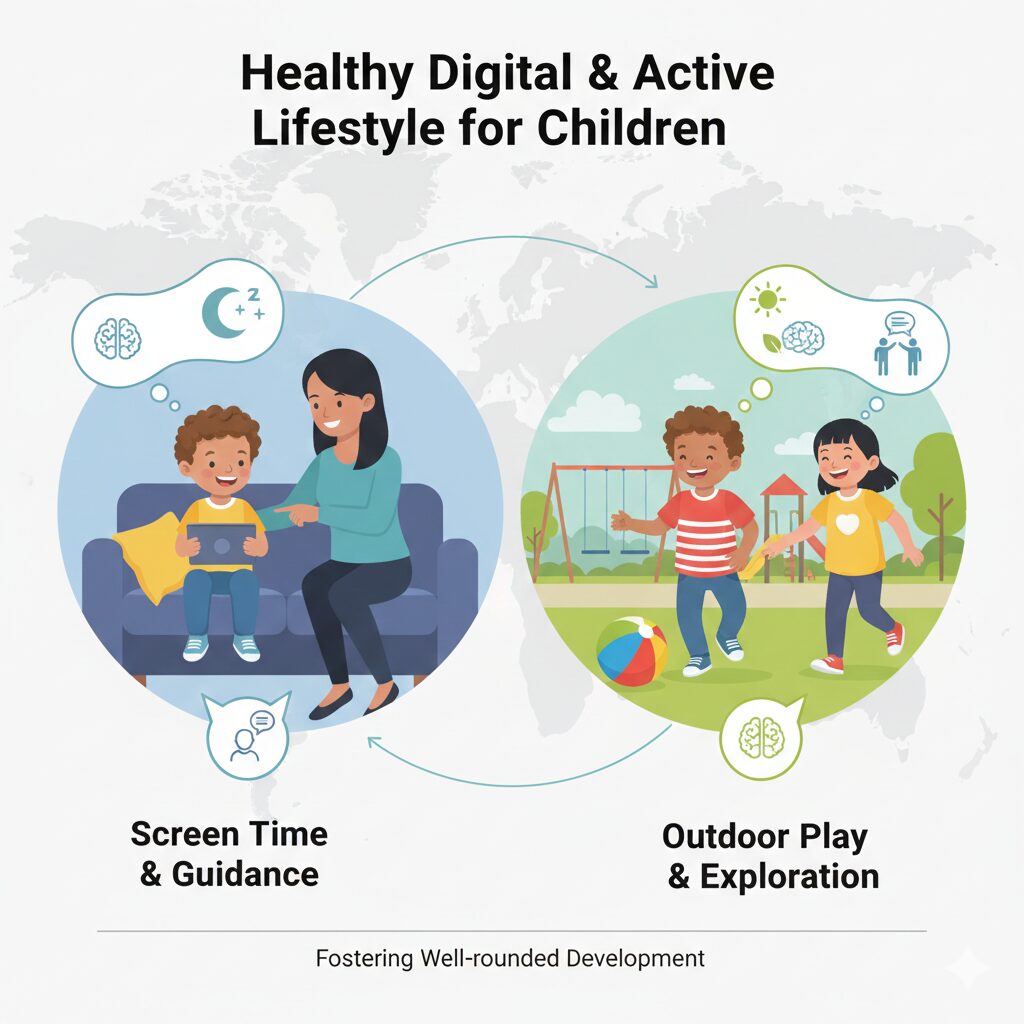
Childhood obesity has become a growing global concern. Excessive consumption of processed foods, sugary drinks, and sedentary lifestyles contribute to unhealthy weight gain.
Preventive strategies include:
-
Encouraging outdoor play
-
Limiting screen time
-
Serving balanced meals
-
Avoiding using food as a reward
Healthy habits should involve the entire family.
Encouraging Positive Mealtime Habits
Mealtime should be calm and enjoyable. Avoid pressuring children to finish every bite. Instead:
-
Offer a variety of healthy options
-
Allow children to decide how much to eat
-
Model healthy eating behaviors
Children learn by observing their parents.
Consistency and patience are key.
Conclusion
Child nutrition and growth milestones are closely connected. Proper nourishment fuels physical growth, brain development, and emotional wellbeing. Monitoring milestones ensures that children are progressing safely and steadily.
Every child develops at a unique pace, but balanced nutrition and supportive parenting provide the strongest possible foundation.
By focusing on healthy meals, regular checkups, and positive habits, parents can confidently guide their children toward lifelong wellness.
References
World Health Organization Child Growth Standards
https://www.who.int/tools/child-growth-standards
UNICEF Infant and Young Child Feeding
https://www.unicef.org/nutrition
Centers for Disease Control and Prevention Growth Charts
https://www.cdc.gov/growthcharts
WHO Childhood Obesity